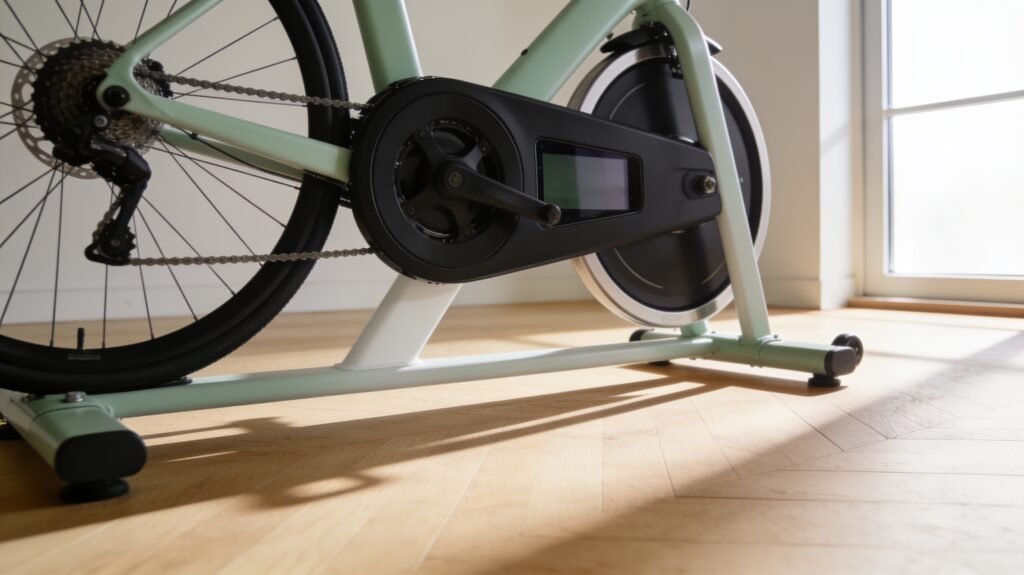
Zone 2 training is steady, comfortable cardio done at an effort where you can still hold a conversation. It is one of the simplest ways to build an aerobic base, and it suits beginners because it asks for patience rather than suffering. This guide explains what steady state cardio is, how to find your zone, what the benefits may be, and how to build a weekly plan.
If you are still deciding how to fit exercise into your week, start with our guide on building a workout habit that sticks.
\n\n\n\n
What Zone 2 Training Actually Is
Heart rate zones divide effort into bands, usually five. Zone 1 is very easy, like a gentle stroll. Zone 5 is an all-out sprint. Zone 2 sits just above easy: a pace you could keep up for a long time, breathing a little harder than normal but not gasping.
Steady state cardio is the broader idea of holding a consistent effort for a prolonged period, for example 30 to 60 minutes of brisk walking, cycling or easy jogging. Zone 2 training is steady state cardio at a specific, comfortable intensity. Most people use the two terms almost interchangeably, and that is fine for beginners.
How to Find Your Zone 2
You do not need a lab test. Three practical methods work for most people, and you can combine them.
- The talk test. You should be able to speak in full sentences, but not sing. If you can only manage a few words at a time, ease off.
- Heart rate range. Zone 2 is commonly estimated at roughly 60 to 70 percent of your maximum heart rate. A rough maximum is often estimated as 220 minus your age, but this is only an estimate and can be off by a meaningful margin for individuals.
- Perceived effort. On a scale of 1 to 10, aim for about a 3 or 4: comfortable, steady and sustainable.
Mayo Clinic provides a helpful overview of how to measure exercise intensity, including the talk test. If a sensor reading and the talk test disagree, trust how you feel and slow down.
Benefits of Steady State Cardio and Zone 2 Training
Research on regular aerobic exercise is broad and generally encouraging, though individual results vary and no single session type is magic. The following are the main reasons people include zone 2 work in their routine.
- A stronger aerobic base. Regular easy cardio helps your heart and lungs become more efficient, which can make everyday activity feel easier over time.
- Low stress on the body. Because the effort is moderate, many people recover quickly and can train more often than with hard intervals.
- Support for general heart health. Regular moderate activity is associated with better cardiovascular health in large population studies.
- Help with weight management. Steady cardio burns energy and is easy to repeat, though results depend heavily on food intake, sleep and overall activity.
- Better mood and energy. Many people report feeling calmer and more energetic after regular walks or easy rides.
These are possible benefits, not guarantees. Zone 2 training is not a treatment for any medical condition, and anyone managing one should ask their healthcare professional how to exercise safely.
Zone 2 vs HIIT: Do You Have to Choose?
High-intensity interval training uses short hard efforts with rest between them. It is time-efficient, and it works well for fitness. But it is tiring, and doing too much too soon is a common reason beginners burn out or get hurt.
Zone 2 is the opposite trade-off: slower, longer and easier to repeat. Many coaches suggest a mix, with most weekly cardio at an easy pace and perhaps one harder session once you have built a base. For beginners, spending the first several weeks mostly on easy work is a sensible approach, and it is easier to stay consistent when sessions do not feel like punishment.
What a Zone 2 Session Looks Like
A good session is almost boring, and that is the point. Start with five minutes of very easy movement so your heart rate rises gradually. Then settle into your steady pace for the main block, checking in every few minutes: can I still speak in full sentences? Finish with five minutes of easy movement and some gentle stretching if you like.
Expect your pace to feel slow at first. Many beginners are surprised that a comfortable pace means walking fast or jogging very gently. As your fitness improves over weeks, the same heart rate usually lets you move a little faster, which is a handy way to see progress without testing yourself. Keep notes on distance, time and how you felt, and compare them every few weeks. Drink water as needed, wear comfortable shoes, and choose routes or machines that let you keep a steady rhythm without frequent stops.
A Simple Beginner Zone 2 Plan
Start where you are. If 20 minutes is hard, start with 20 minutes. The goal is regular, comfortable sessions, not heroics. The UK NHS recommends adults aim for around 150 minutes of moderate activity each week, which you can read in its physical activity guidelines for adults. That is a target to build toward, not a starting requirement.
- Weeks 1 and 2: three sessions of 20 to 30 minutes at a comfortable, conversational pace.
- Weeks 3 and 4: three sessions of 30 to 40 minutes, adding five minutes to one session.
- Weeks 5 and 6: three or four sessions of 35 to 45 minutes, keeping at least one easier day.
- Weeks 7 and 8: three or four sessions of 40 to 60 minutes, with one longer session if you feel good.
Add time before you add speed. If you feel flat or sore, repeat the week instead of progressing. Rest is part of the plan, and our guide on why rest days are essential explains how recovery supports progress.
Best Activities for Steady State Cardio
The best activity is one you will actually do. Zone 2 can be reached in many ways:
- Brisk walking. Accessible, low impact and easy to track. Our article on steps per day for weight loss shows how walking adds up.
- Easy jogging. Slow down more than feels natural. If you are new, follow our guide to starting to run without injury.
- Cycling. Outdoors or on a stationary bike, it is gentle on the joints.
- Swimming or rowing. Good full-body options, though technique can raise your heart rate quickly.
- Home cardio. No equipment? Try the routines in best cardio workouts at home at a steady, moderate pace.
Common Mistakes With Zone 2 Training
- Going too fast. Most beginners run their easy sessions too hard. If you cannot talk, slow down.
- Trusting a watch blindly. Wrist sensors can be inaccurate, especially at the start of a session or during intervals. Use the talk test as a check.
- Skipping progression. Easy does not mean never changing. Gradually add time over several weeks.
- Ignoring sleep. Poor sleep can raise your heart rate for the same effort. See our tips on sleep habits for fitness.
- Expecting fast changes. Aerobic adaptations build over weeks and months, so patience matters.
Safety: Who Should Check With a Professional First
Most healthy adults can start with walking or easy cycling. Still, talk to a doctor or other healthcare professional first if you have heart or lung conditions, high blood pressure, diabetes, chest pain, dizziness, or are pregnant or recovering from illness or injury. Some medications, including beta blockers, change how your heart rate responds to exercise, so heart rate zones may not apply in the usual way. In that case, ask your professional about using perceived effort instead.
Stop and seek medical help if you feel chest pain, severe breathlessness, faintness or unusual symptoms during exercise.
Frequently Asked Questions
How long should a zone 2 session last?
Beginners can start with 20 to 30 minutes and build toward 45 to 60 minutes over several weeks. Longer is not automatically better, so add time gradually and only as recovery allows. Consistency across the week matters more than any single long session.
Is steady state cardio good for weight loss?
It can help, because it burns energy and is easy to repeat several times a week. Weight loss still depends mainly on your overall eating, sleep and daily activity. Steady cardio is one useful tool within a broader routine, not a standalone solution.
How many times a week should I do zone 2 training?
Most beginners do well with three sessions a week, then add a fourth if recovery feels good. Spread sessions out and keep at least one full rest day. If you are also lifting weights, schedule hard leg days away from long cardio sessions.
Can I do zone 2 training every day?
Light daily movement like walking is generally fine for healthy people. But dedicated zone 2 sessions every day can build fatigue, especially if you are new or training elsewhere. Alternate days, listen to your body, and take rest when you feel run down.
Start Easy and Stay Consistent
Zone 2 training rewards patience. Pick an activity you enjoy, keep the pace conversational, and add time slowly. Over weeks, the same pace tends to feel easier, which is the clearest sign your aerobic base is improving.
\n\n\n